Logo
Get Estimate

Structural Drying and Dehumidification Boca Raton FL

Get hidden moisture out before damage spreads


Structural Drying and Dehumidification Boca Raton FL helps homeowners, property managers, and businesses dry wet building materials after leaks or flooding. We extract standing water, measure moisture in floors and walls, then place air movers and dehumidifiers where they will do the most work. Our Boca Raton structural drying service addresses visible water and moisture trapped behind surfaces, reducing the risk of buckled flooring, damaged drywall, and secondary mold growth.

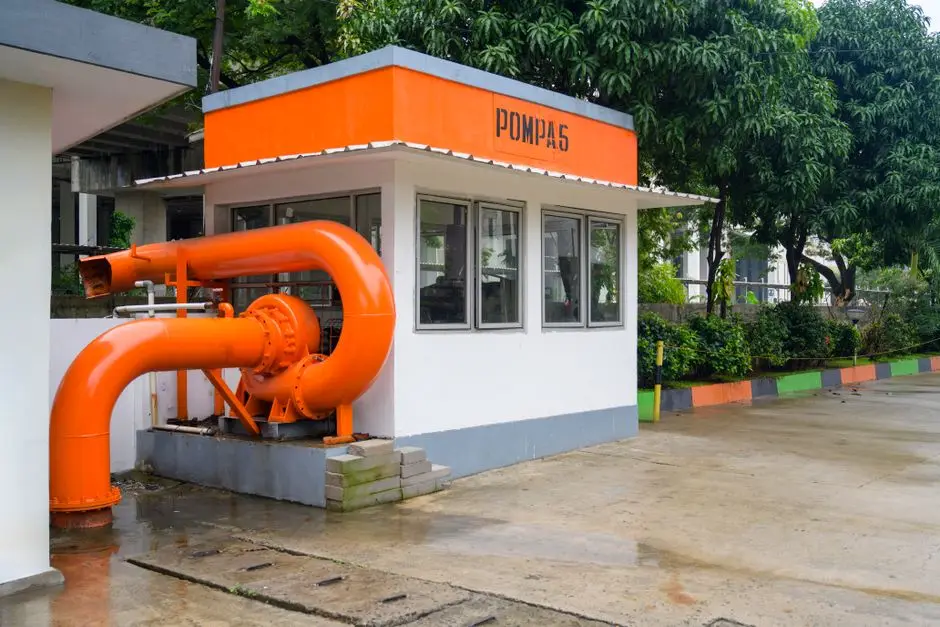
Bright orange pump station structure in Jakarta with greenery around.
Licensed Licensed & Bonded
Fully Insured Insured & Bonded
24/7 Emergency Same-Day Response
Warranty Backed Workmanship Guaranteed in Boca Raton

What Structural Drying Includes

Structural drying includes moisture inspection, removal of free water, drying equipment placement, progress checks, and final readings for affected materials. We explain what can be dried in place and identify conditions that call for removal or repair. Specialized contents restoration, reconstruction, and microbial remediation are separate services when needed; we make those needs clear rather than treating every wet material the same.

Moisture Mapping

We inspect affected rooms and take baseline readings in accessible materials, including flooring and wall surfaces. Mapping shows where moisture has traveled and gives us a reference for later checks. You can see which areas need drying and which areas are outside the affected zone.

Water Extraction

We remove accessible standing water before setting drying equipment. The method depends on water depth, location, and access. This step reduces the water load in the space and helps prevent air movers from pushing water across surfaces.

Controlled Equipment Setup

We position air movers and dehumidifiers to direct airflow and collect moisture from the indoor air. Equipment quantity and location depend on the affected materials and room conditions. We explain noise, access, and the expected check schedule before the setup is left running.

Progress and Final Checks

We compare readings during the job and adjust the setup if moisture is not declining as expected. Final measurements help confirm the drying result and guide next steps for repairs. You receive an explanation of the readings and any materials that remain a concern.

Structural Drying and Dehumidification in Boca Raton


Structural Drying and Dehumidification Boca Raton FL is a water damage restoration service that removes moisture from building materials after leaks, flooding, or water extraction. We inspect affected rooms, document starting conditions, and check materials such as drywall, wood framing, carpet, and subfloor sheathing. Extraction removes free water; controlled airflow and dehumidification then pull remaining moisture from porous materials and the indoor air. We adjust equipment as readings change rather than relying on a fixed run time. That measured approach helps protect materials that can be dried safely and identifies areas that need removal.

Boca Raton's humid air can slow evaporation, especially after storm flooding, appliance leaks, or burst pipes have soaked enclosed spaces. Moisture can travel beneath flooring or into wall cavities even when the surface looks dry. Our building drying and moisture control Boca Raton work starts with mapping affected areas and checking them during the drying cycle. If you need a same-day water damage dry-out service in Boca Raton, we begin with water removal and a practical drying plan based on the materials and readings at your property.

Our Drying Process

Our Boca Raton drying process moves from water removal to verified moisture reduction. We explain what we find, protect the work area, and adjust equipment as readings change. You will know which rooms are affected, what equipment is running, and what the next check will cover.

01

Schedule

Call or book online — a real human picks up and confirms a 2-hour arrival window.

02

Diagnose

Licensed tech inspects on-site, then walks you through the cause and your options.

03

Fix

The job is completed to code and done right the first time — no shortcuts, no surprises.

04

Guarantee

Every job backed by a written workmanship warranty — and we stand behind it.

Drying Tools and Methods

Tools & Equipment

Moisture meter

We use a moisture meter to compare readings in affected materials and track change during drying. The measurements help identify areas that need continued attention and provide a practical basis for final verification.

Thermal imaging camera

A thermal imaging camera helps us identify temperature patterns that may indicate a hidden wet area. We confirm suspected moisture with direct inspection or meter readings before deciding where drying should focus.

Air mover

An air mover directs airflow across wet surfaces to support evaporation. We adjust its position to target affected flooring or wall areas and avoid treating the whole room as if every material were equally wet.

Refrigerant dehumidifier

A refrigerant dehumidifier collects water vapor from indoor air as wet materials release moisture. We choose its placement and operating setup based on room conditions, moisture readings, and the area being dried.

Portable water extractor

A portable water extractor removes water from accessible floors and carpet before structural drying begins. It is useful where a larger extraction unit cannot reach or where water is concentrated in a smaller area.

Dri-Eaz

Dri-Eaz equipment is used in professional restoration settings for extraction and environmental control. We select equipment by the conditions at your property and use moisture readings to determine how the drying setup should change.

Methods & Standards

IICRC-informed moisture assessment

We begin with the affected materials, water conditions, and baseline readings. The assessment helps distinguish surface water from moisture held in a building assembly. We use the findings to select extraction and drying methods, then revisit the same locations so progress is measured consistently.

Targeted airflow and dehumidification

Air movers direct airflow across wet materials while a dehumidifier removes water vapor from the indoor environment. We place and adjust equipment according to material response and room conditions. The goal is controlled moisture removal, not simply high airflow or a room that feels cooler.

Documented drying checks

We record readings during the job and compare them with baseline measurements and appropriate dry references. If a reading does not improve, we inspect the area and modify the plan. Final readings provide a basis for equipment removal and the next repair decisions.

When to Call for Drying

01

A supply line bursts overnight and water reaches the hallway, bedroom carpet, and shared wall.

What we do: We extract pooled water, inspect the carpet and wall base, and check whether moisture has traveled into adjoining rooms. Air movers and dehumidification are placed after the affected area is mapped. We return to compare readings and adjust the setup as the materials dry.

→ You get a documented view of the affected rooms, a drying plan based on measurements, and a clearer path to deciding which materials can stay.

02

A Boca Raton storm drives rain through an exterior opening and wets flooring before the weather clears.

What we do: We remove standing water and inspect floor edges, baseboards, and nearby wall cavities for moisture. The team sets equipment to dry affected materials while limiting unnecessary airflow into unaffected areas. Follow-up checks show whether the drying process is progressing.

→ The wet area is treated as a building assembly, not just a visible puddle, so hidden moisture is less likely to be missed.

03

An appliance leak in a condo leaves a damp kitchen floor and water at the cabinet toe-kick.

What we do: We extract water, check the cabinet base and flooring transitions, and take readings in nearby materials. If moisture is trapped beneath the floor, we explain the finding and set targeted drying equipment. We keep you updated on readings and what they mean for the next repair step.

→ You can see whether the floor and cabinet area are drying rather than relying on surface appearance alone.

04

A commercial suite has wet ceiling tiles and wall sections after a pipe leak above the occupied space.

What we do: We identify affected rooms and materials, remove accessible water, and assess ceiling and wall moisture. Equipment is arranged to maintain practical access while drying proceeds. Our technicians record readings and coordinate checks with the property contact so decisions are based on observed conditions.

→ The property contact gets a clearer record of affected areas and drying progress while planning safe access and repairs.
How Drying Works in Boca Raton

Boca Raton's warm, humid conditions make indoor moisture control important after a leak or flood. Opening windows is not a substitute for dehumidification when outdoor air is already carrying substantial moisture. Our building drying and moisture control Boca Raton service starts by identifying the water source and checking materials that commonly hold water, including carpet, drywall, and subfloor assemblies. In condos and multifamily properties, we also look for migration through shared walls and floor transitions. In single-family homes, storm-driven rain, plumbing leaks, and appliance failures can affect several rooms before the source is obvious. We use moisture readings to set equipment and to decide when the drying goal has been reached. If you need dehumidification after a pipe leak near Boca Bridges, tell us which rooms and surfaces are wet; we will assess the affected area and explain the drying sequence. We serve properties across Palm Beach County and follow applicable safety practices and Florida contractor licensing requirements where those requirements apply.

Neighborhoods We Serve

  • Boca Bridges

    After a plumbing leak, water can move from a kitchen or laundry area into adjoining flooring. We check transitions and nearby wall bases instead of limiting the inspection to the visible puddle.

  • Downtown Boca Raton

    Condos and mixed-use buildings can share walls, ceilings, and service lines. We map affected rooms and coordinate access for moisture checks in adjoining areas.

  • Boca Square

    A storm or supply-line leak can wet carpet, hardwood, or older wall finishes. We assess each material separately and use readings to guide the equipment setup.

  • Boca West

    Large homes may have several affected rooms after a leak. We document the drying areas and check room-to-room transitions so moisture does not remain outside the obvious wet zone.

Local Conditions We Plan For

  • High outdoor humidity slows evaporation through open windows

    Bringing humid air indoors can make it harder to remove water vapor from wet materials. We use dehumidification and track indoor conditions while drying proceeds, rather than relying on ventilation alone.

  • Storm flooding affects multiple rooms and floor transitions

    Water can spread beneath floor coverings and into wall bases before visible damage appears. We inspect adjoining materials, remove accessible water, and use repeat readings to identify the full drying area.

  • Condominium plumbing leaks reach shared building assemblies

    A leak may affect a unit beyond the room where it started. We check adjacent walls and floor edges, document affected areas, and explain access needs before placing equipment.

Kitchen Leak Under Hardwood

Before

A refrigerator supply line leaked across the kitchen and into the breakfast area. The boards looked dry near the doorway, but edges felt raised and moisture readings remained elevated near the cabinets. Water had also reached the subfloor in a limited section, so wiping the surface had not resolved the problem.

After

We extracted remaining water, placed targeted air movers and dehumidification, and compared readings during follow-up visits. The affected floor readings declined over several days, and the final check documented the areas that met the drying goal. The homeowner had a clearer basis for deciding whether any boards needed repair.

Maintenance: Check appliance supply lines periodically and close the water valve before extended travel. If you notice a damp toe-kick or a new floor edge, report it promptly; early extraction gives us a better chance to limit migration.

Before

Rain entered near an exterior door and soaked a living-room rug, baseboard, and the lower wall. The visible water was removed, but a cool section remained at the wall edge. Moisture checks showed that the wet area extended beyond the rug and into adjacent flooring.

After

We mapped the affected boundary, extracted water from the floor, and set equipment to dry the wall base and flooring. Follow-up readings showed improvement across the monitored points, and final measurements helped confirm which sections were ready for the next repair step.

Maintenance: After heavy rain, check door thresholds and nearby baseboards for dampness. Keep the entry area clear enough to inspect and call promptly if water returns or flooring begins to lift.

Before

A plumbing leak above a commercial room left ceiling materials stained and damp, with water reaching a wall joint. Staff had placed towels under the drip, but the ceiling cavity and adjoining wall remained unassessed.

After

We removed accessible water, inspected the affected ceiling and wall, and placed drying equipment after recording baseline readings. Scheduled checks documented moisture changes in the affected areas. The property contact used those findings to plan repairs without assuming the surface stain represented the full extent of the water.

Maintenance: Inspect ceilings and wall joints after a leak is stopped, even if active dripping ends. Report new staining, soft drywall, or a persistent damp odor so concealed moisture can be checked before repairs.

Resolve Hidden Moisture Before Repairs

Emergency building drying after flooding Boca Raton Florida is needed when a wet surface hides moisture in the structure. A room can look better while flooring, wall cavities, or insulation remain damp. We inspect the affected assembly, remove free water, and use repeat measurements to guide drying before you move on to repairs.

Problem

Hardwood planks begin cupping after a kitchen supply-line leak

Moisture under the boards can keep the floor distorted and spread into the subfloor. Covering it with a rug or starting repairs too soon can trap dampness.

Our Fix

We remove surface water, measure the flooring and accessible subfloor, and check adjoining areas for moisture migration. Airflow and dehumidification are adjusted to the readings. We explain whether the assembly is responding to drying or needs further inspection before any finish work begins.

Problem

A dry-looking wall still feels cool near the baseboard

Water can remain behind drywall or inside insulation even after the visible stain fades. Hidden dampness can damage framing and prolong the drying job.

Our Fix

We inspect the wall and nearby flooring, use moisture readings to map the affected area, and assess whether a cavity check is needed. Equipment is placed to address the identified moisture. You get a direct explanation of what can remain in place and what requires additional work.

Problem

Carpet dries on top while the pad stays saturated

A wet pad can hold water against the subfloor and create odor or material damage. Surface drying alone does not establish that the floor assembly is dry.

Our Fix

We extract the carpet, assess the padding and subfloor, and determine whether the assembly can be dried safely in place. We direct air movement and dehumidification to the affected area, then compare readings during follow-up checks so you know whether moisture is leaving the floor.

Problem

Storm water enters a low room and remains under tile

Water beneath tile can migrate into adjoining materials and remain after the room is mopped. Delayed drying increases the chance of damage spreading beyond the entry point.

Our Fix

We remove accessible water and inspect tile edges, grout lines, and nearby wall bases for signs of migration. Moisture readings help determine where drying should focus. If the assembly is holding water, we explain the available next steps before proceeding with further work.

What Proper Drying Protects

What Proper Drying Protects

Drying is more than running fans until a room feels comfortable. We track moisture in affected materials, direct airflow to the wet areas, and remove water vapor from the space. You get a clearer picture of what can be dried, what needs attention, and when the affected area has reached its drying goal.

  • Limit Material Damage

    Wet hardwood flooring can cup or buckle, while laminate seams can swell after water reaches the core. We measure the floor and its edges, remove standing water, and set airflow to support controlled drying. Catching elevated readings early gives your flooring a better chance of drying without unnecessary demolition.

  • Reach Hidden Moisture

    A dry-looking wall can still hold water inside its cavity or at the base plate. We use moisture meters and targeted inspection to check beyond the surface, then position equipment where readings show a problem. That helps us address moisture beneath flooring and behind trim instead of treating only what you can see.

  • Reduce Mold Conditions

    Damp materials left wet for extended periods create conditions that support secondary mold growth. We remove water and manage humidity while checking affected surfaces through the drying process. Prompt action matters after a leak or flood; no drying method can guarantee mold will never occur, but removing excess moisture addresses a key contributing condition.

  • Document Drying Progress

    You receive a clear record of affected areas and moisture readings as work progresses. Our technicians compare measurements over time, note equipment placement, and explain what the readings mean for your property. This practical documentation supports informed decisions and helps you understand why a room is ready for repairs.

Training and Work Standards

Licensed & Certified

  • Water Damage Restoration Technician — issued by Institute of Inspection, Cleaning and Restoration Certification
  • Applied Structural Drying — issued by Institute of Inspection, Cleaning and Restoration Certification
  • Applied Microbial Remediation Technician — issued by Institute of Inspection, Cleaning and Restoration Certification
  • OSHA workplace safety training — issued by Occupational Safety and Health Administration

Verified Reviews

Customer feedback Not displayed

After a pipe leak in our Boca Raton home, the crew checked the flooring and the wall beside it instead of stopping at the visible wet area. They explained the moisture readings, placed equipment, and returned to check progress. We knew what was still drying and when the equipment could be removed.

Customer feedback Not displayed

Storm water reached the carpet in our East Boca property. The team extracted the water, checked the baseboards, and found moisture outside the first wet spot. Their measurements and follow-up made the next steps easier to understand.

Customer feedback Not displayed

A leak affected our office ceiling and one wall. The technicians recorded readings, set up drying equipment, and explained how they would verify progress. The work area stayed organized, and the final check gave us useful information for planning repairs.

Technical Drying Know-How

Structural drying depends on sound measurements, safe equipment use, and an understanding of how different materials respond to water. Our team follows established water-damage restoration practices and uses training such as IICRC Water Damage Restoration Technician (WRT) and IICRC Applied Structural Drying (ASD) where held by the attending technician. We work within applicable Florida contractor licensing requirements and OSHA workplace safety training practices. We do not treat every room the same: hardwood, drywall, insulation, and concrete-backed flooring each need a different assessment. You get practical explanations rather than unexplained equipment left running.

  • We take and record baseline moisture readings so your drying progress can be compared against the same materials over time.
  • Our technicians distinguish surface dampness from moisture inside wall cavities, floor assemblies, and other concealed spaces.
  • We select refrigerant or desiccant dehumidification based on the affected environment and the drying conditions measured on site.
  • We use containment and HEPA filter media when work conditions call for dust or particulate control during affected-material handling.
  • We explain when a material is suitable for drying in place and when its condition calls for removal or repair.
Get Started Today
Technical Drying Know-How

Frequently Asked Questions

Real answers to the questions we hear most often from local homeowners and property managers.

What is included in structural drying after water damage?
Structural drying after water damage includes an inspection, moisture mapping, water extraction, equipment placement, progress checks, and final readings. We assess materials such as flooring, drywall, and wall cavities, then use air movers and dehumidifiers to remove remaining moisture. The exact setup depends on the water source and affected area. Repairs, replacement materials, and contents restoration are separate tasks when needed, and we explain those findings as we document the drying work.
How long does professional dehumidification take?
Most professional drying jobs take about 3 to 5 days, while extensive or concealed water damage can take longer. The timeline depends on the material, amount of water, indoor humidity, and how quickly the leak was stopped. We measure progress during scheduled checks and adjust equipment rather than promising a fixed finish time. If you are asking how long does structural drying take after water damage, the readings at your property provide the dependable answer.
How do technicians know when a building is dry?
Technicians verify drying by comparing moisture-meter readings against baseline and appropriate dry-reference readings for the same materials. We check affected flooring, walls, and other accessible building components, then record the final results. A room can feel dry while a subfloor or wall cavity remains damp, so touch alone is not enough. We review the measurements with you before removing equipment and identify any materials that still need repair or further inspection.
Can structural drying help prevent mold after a flood?
Yes. Prompt extraction and controlled drying reduce excess moisture that can support secondary mold growth, though no process guarantees mold will never develop. We address wet materials, lower indoor humidity with a dehumidifier, and monitor readings through the drying cycle. After a flood, contaminated water or visibly affected materials may require additional cleanup and removal. Call us promptly so we can assess the water category and choose a safe, appropriate plan.

Related Water Damage Services

24/7 Emergency Water Extraction

Emergency extraction removes standing water before it spreads farther into flooring, drywall, and contents. We follow extraction with moisture checks and a drying setup when building materials remain wet, helping Boca Raton property owners move from urgent water removal to controlled structural drying.

View 24/7 Emergency Water Extraction

Residential Water Extraction

A home leak can soak carpet, cabinets, and wall bases in a short time. We remove accessible water, check adjoining rooms, and determine whether the structure needs dehumidification. That sequence helps you address both the visible spill and moisture that has moved into the building.

View Residential Water Extraction

Commercial Water Extraction

Water in an office, retail unit, or shared building can affect multiple rooms and operations. We extract water, identify wet assemblies, and coordinate drying equipment around access needs. Moisture readings help property managers understand which areas are ready for use and which need continued drying.

View Commercial Water Extraction

Standing Water Removal

Standing water must be removed before air movers can efficiently dry affected materials. We use extraction equipment suited to the water depth and access, then inspect the floor and nearby assemblies. Once free water is gone, dehumidification tackles moisture remaining in the structure.

View Standing Water Removal

Basement and Crawl Space Water Removal

Water in a crawl space or below-grade area can remain hidden and humidify the structure above it. We remove accessible water, inspect exposed surfaces, and plan drying around ventilation and material conditions. Moisture checks help locate persistent wet areas before they affect adjoining spaces.

View Basement and Crawl Space Water Removal

Flood Water Extraction

Floodwater can carry sediment and affect a broad area, so extraction is only the first stage. We assess the water and materials, remove water, and determine which surfaces can be dried safely. Dehumidification and documented checks follow where the building remains wet.

View Flood Water Extraction

Start Structural Drying in Boca Raton

Wet walls, flooring, or ceilings need prompt attention before moisture spreads farther. Our local team is available 24/7 for water damage response in Boca Raton, FL. Call +1 561-854-0267 and tell us where the water entered and which rooms are affected.

Call now Call for Drying

Contact Our Team

Call +1 561-854-0267 for emergency water extraction in Boca Raton, Florida. Our phone line is open 24/7 for urgent leaks, backups, and storm water, and we will ask what happened, where the water is, and whether it is still flowing. Share your neighborhood and any safety concerns so we can guide the next step.

Or call us right now at +15618540267 — we answer.

Boca Raton Emergency Water Extraction


  • Phone

    +15618540267
  • Address

    Boca Raton, Florida

  • Hours

    Mon–Fri: 7AM – 7PM
    Sat: 8AM – 4PM
    Sun: Emergency Only
    24/7 Emergency Available

Call +15618540267 Get Quote
Call Quote