Logo
Get Estimate

Storm and Hurricane Water Extraction Boca Raton FL

We remove stormwater and dry your home after severe weather


Storm and Hurricane Water Extraction Boca Raton FL helps homeowners and businesses facing rain intrusion, surge-related flooding, or roof and window leaks. We pump standing water, extract moisture from flooring, and begin structural drying to limit swelling and secondary mold growth. Our storm and hurricane water removal Boca Raton service addresses visible water and hidden dampness, with a clear first step: call us at +1 561-854-0267 and describe where water entered.

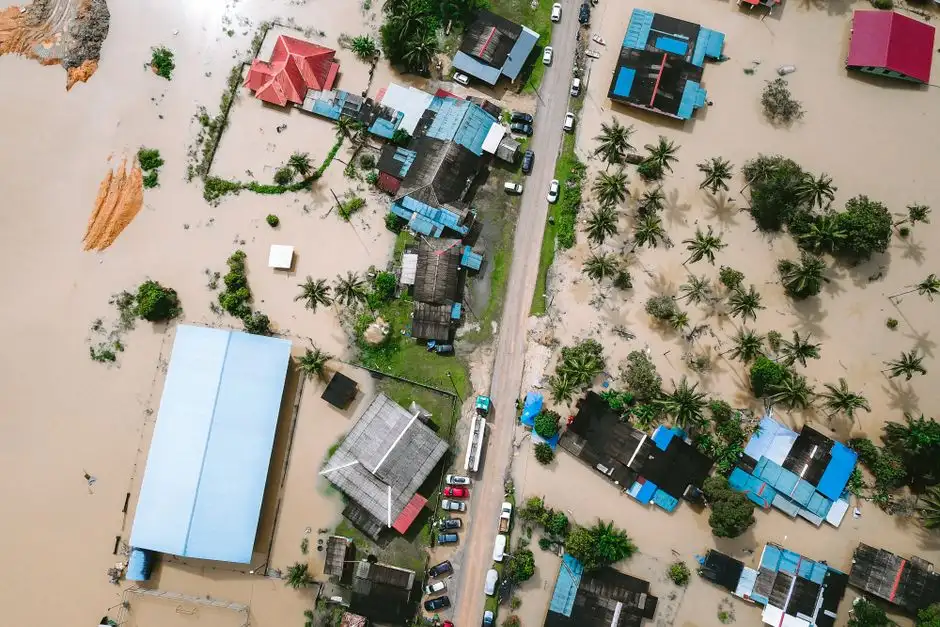
Flooded coastal area with palm trees and an occluded path post-storm damage in Florida.
Licensed Licensed & Bonded
Fully Insured Insured & Bonded
24/7 Emergency Same-Day Response
Warranty Backed Workmanship Guaranteed in Boca Raton

What Storm Extraction Includes

Storm and hurricane extraction covers initial safety checks, removal of accessible standing water, inspection of affected materials, and drying equipment placement where readings call for it. We document rooms and moisture conditions as work progresses. Cleaning, disposal of contaminated materials, contents restoration, and rebuilding may require additional work based on what the water touched and how far it traveled; we explain the observed need before moving into those tasks.

Initial hazard review

We check water depth, access, and visible electrical or contamination hazards before starting. You can show us where water entered and which rooms are affected, helping us plan a safe route for extraction equipment and reduce unnecessary movement through wet areas.

Standing water extraction

We use pumps and water extractors suited to the amount of water and the surface involved. The goal is to remove pooled water from floors and accessible low areas, then address residual moisture that remains after the main water level is down.

Affected material checks

We inspect flooring, baseboards, lower drywall, and accessible contents for signs of moisture. A moisture meter supports comparison across materials and repeat visits. Findings help determine whether a surface can be dried in place or needs additional work.

Drying setup and monitoring

Where damp materials remain, we position air movers and dehumidification equipment to support drying. We revisit readings and adjust the setup based on progress, rather than treating the initial equipment placement as proof that the building is dry.

Job documentation

We record affected areas, observed conditions, and drying progress so you can follow the work. This information also gives you a practical summary to use when coordinating repairs or discussing storm damage with your insurance representative.

Storm and Hurricane Water Extraction Boca Raton FL


Storm and Hurricane Water Extraction Boca Raton FL is an emergency water damage service that removes storm-driven water from buildings and starts drying wet materials before damage spreads. We first check electrical and access hazards, then use pumps or extraction equipment suited to the water depth and floor type. A moisture meter helps identify damp drywall, wood framing, and subfloor sheathing beyond the visible waterline. We document affected areas, remove water-damaged carpet and pad when required, and set drying equipment based on measured conditions rather than guesswork.

Boca Raton homes and commercial spaces face wind-driven rain, roof openings, overwhelmed drainage, and water pushed through doors during tropical weather. A few inches on tile can conceal moisture beneath cabinets or inside wall cavities; carpet and hardwood need different handling. Our Boca Raton hurricane water extraction service begins with source and contamination checks, followed by targeted removal and drying. If you are asking how soon should stormwater be extracted after a Boca Raton storm?, the practical answer is as soon as it is safe to enter, because wet materials deteriorate while they remain saturated.

What To Expect During Cleanup

Stormwater extraction follows a sequence: make the area safe, remove bulk water, identify affected materials, and dry what can be saved. We explain each step before moving equipment through your home or business. The time required depends on water depth, room count, material type, and access, but you will know what we found and what we are doing next.

01

Schedule

Call or book online — a real human picks up and confirms a 2-hour arrival window.

02

Diagnose

Licensed tech inspects on-site, then walks you through the cause and your options.

03

Fix

The job is completed to code and done right the first time — no shortcuts, no surprises.

04

Guarantee

Every job backed by a written workmanship warranty — and we stand behind it.

Equipment and Drying Methods

Tools & Equipment

Submersible pump

Moves deeper pooled water from accessible low areas before detailed extraction begins. We select pump use based on water depth, safe access, and whether the source raises contamination concerns.

Truck-mounted water extraction unit

Provides high-capacity extraction for accessible floors and carpet after bulk water is removed. It helps reduce residual water that a pump alone leaves behind.

Moisture meter

Checks moisture conditions in flooring, baseboards, and other accessible materials. Repeat readings help us track drying progress and identify areas that need further attention.

Thermal imaging camera

Highlights temperature patterns that can point to concealed moisture or areas requiring closer measurement. We confirm suspected conditions with appropriate material checks rather than relying on an image alone.

Air mover and refrigerant dehumidifier

Air movers circulate air across wet surfaces while a refrigerant dehumidifier removes moisture from indoor air. Their placement follows the affected area and measured drying conditions.

Methods & Standards

Source and contamination assessment

We ask how water entered, whether it touched outdoor ground or a drain, and whether the source is still active. That determines safe access, material handling, and equipment choices. Clean-looking water is not automatically treated as uncontaminated if its route is uncertain.

Measured structural drying

After extraction, we compare moisture readings in affected materials over time and adjust airflow or dehumidification when progress stalls. We check nearby dry areas as a reference and focus attention on assemblies that hold moisture, such as wall cavities or flooring layers.

Material-specific extraction

Tile, carpet, hardwood, and laminate respond differently to water. We choose extraction and drying approaches based on the surface, the underlayment, and the water source. Where materials cannot be dried safely or effectively, we explain why removal or additional restoration may be needed.

IICRC-informed work practices

We apply relevant IICRC Water Damage Restoration Technician and Applied Structural Drying principles to water removal and drying decisions. Work also follows site safety needs and applicable OSHA workplace safety training. We document observations and readings to keep decisions connected to the conditions found.

When Storm Extraction Is Needed

01

A heavy rain band drives water beneath the front door of a Boca Raton home and across tile into carpet.

What we do: We pump or extract pooled water, then check the tile-to-carpet transition and nearby baseboards. A moisture meter helps identify whether water reached the pad or subfloor. We place drying equipment only after the affected area and safe access are established.

→ You get water removed from the accessible floor and a documented drying plan for adjoining materials, reducing the risk of leaving hidden moisture behind.

02

A commercial roof leak sends rain through ceiling panels and onto office flooring during a storm.

What we do: We identify the affected rooms, move equipment through a safe route, and extract floor water before checking lower walls and contents. We document the visible leak path and keep walkways available where possible, helping building staff coordinate access and follow-up repairs.

→ The immediate floor hazard is addressed, affected spaces are recorded, and drying can proceed while the property team arranges roof work.

03

Stormwater enters a Boca Harbour property and the water source may include outdoor runoff.

What we do: We ask where the water came from and whether it contacted a drain, soil, or sewage. Our team limits traffic through the affected area, removes pooled water with appropriate equipment, and identifies porous materials that need additional handling.

→ You avoid treating uncertain floodwater like a simple clean-water spill and receive a practical next step for affected rooms and contents.

04

A crawl space holds water after prolonged rain, with dampness visible near lower framing.

What we do: We assess access, water depth, and visible hazards before pumping. We check accessible framing and adjacent materials, then explain the drying approach and whether further inspection is needed. Equipment placement depends on the confined layout and the volume of water present.

→ Standing water is addressed, and you learn whether moisture remains in structural materials that could affect the main floor above.

How Storm Extraction Works in Boca Raton

Storm and hurricane water removal Boca Raton work often starts with wind-driven rain through a roof opening, water across a low threshold, or drainage that cannot clear intense rainfall quickly enough. Boca Raton properties range from older homes with wood floors and plaster or drywall to newer residences and commercial spaces with tile, laminate, and broad open floor plans. Each assembly changes how water travels and where we check for moisture. We begin with safe access and source identification, then choose pumping and extraction equipment based on water depth and contamination risk. High humidity in Florida makes controlled drying important; wet materials left in closed rooms can stay damp after the sun returns. If you need water removal for hurricane-damaged homes Boca Raton FL, we record affected rooms and use readings to guide drying checks. Palm Beach County service includes ZIP codes 33496, 33487, 33486, 33434, 33432, and 33433. We keep the work focused on the property conditions we can observe and follow applicable safety and licensing requirements where relevant.

Neighborhoods We Serve

  • Boca Harbour

    Water entering from exposed doors or low openings can spread across adjoining floor finishes. We check the entry route and nearby baseboards before deciding where extraction and drying should start.

  • Downtown Boca Raton

    Commercial buildings may have long corridors and shared access routes. We plan equipment movement around occupants and entrances while documenting which rooms have storm-related water.

  • Old Floresta

    Older homes may have varied flooring and wall assemblies from room to room. We check transitions and lower wall areas because water can behave differently across those materials.

  • West Boca Raton

    Larger homes can have multiple affected zones after roof leaks or heavy rain. We map the rooms separately so drying equipment and follow-up readings stay organized.

Local Conditions We Plan For

  • High outdoor humidity slows indoor drying after rain

    Moist indoor air can reduce the effectiveness of uncontrolled ventilation. We use measured conditions to guide dehumidification and keep checking materials until readings show meaningful progress.

  • Wind-driven rain enters through roof and window gaps

    Water may run behind finishes rather than collect only beneath the opening. We inspect nearby walls, ceilings, and flooring transitions to identify the full affected path.

  • Storm runoff reaches low thresholds and crawl spaces

    Water depth and contamination risk can vary across the property. We assess the source and access conditions first, then select pumping, extraction, and protective measures suited to the area.

Rainwater Across Carpeted Rooms

Before

Rain entered through a roof opening and spread from a bedroom into the hall. Carpet looked saturated, and the homeowner could not tell whether water had reached the pad or the baseboards. Furniture limited access to one corner, while the visible puddle gave an incomplete picture of how far moisture traveled.

After

We extracted standing water, checked the carpet edges and baseboards, and set drying equipment where readings showed dampness. The first visit established the affected rooms and the follow-up checks tracked progress. The homeowner received a record of the wet areas and a clear explanation of the next drying step.

Maintenance: Keep roof openings covered by a qualified repair provider and check ceilings after heavy rain. If carpet becomes wet again, report it promptly rather than covering the area with rugs or moving furniture back over damp flooring.

Before

Wind-driven rain crossed a ground-floor entrance and left pooled water along the lobby and a nearby office. Staff needed a safe route through the building, but the water reached carpet tiles and the lower edge of a partition wall.

After

We removed the pooled water, cleared a defined walkway, and checked the adjoining wall and carpeted areas for moisture. Room notes identified where drying equipment was placed and which sections needed follow-up readings. The property manager could coordinate building access around the affected zone.

Maintenance: After severe rain, inspect entry mats, door seals, and floor transitions before reopening the full space. Keep a clear route for occupants and report any water beneath flooring or along partitions before it spreads.

Before

Water remained in a low crawl-space area after prolonged rain, with dampness visible near framing. The owner could not see how far the water extended or whether moisture had reached materials above the space.

After

We checked access and water depth, then pumped accessible standing water and inspected reachable framing. The visit documented remaining damp conditions and identified the areas needing continued observation. The owner had a practical record for planning further drying or repair work.

Maintenance: Keep crawl-space access clear and check for standing water after extended rainfall. Address drainage or exterior water-entry problems with the appropriate building professional so a later storm does not repeat the same route.

Problems Solved After Boca Raton Storms

Stormwater does not stop at the room where it first appears. It can travel beneath flooring, soak insulation, or remain in a ceiling cavity after a roof leak. We trace the affected area, remove water, and explain what needs drying or removal. If water entered through a drain or outdoor runoff, we adjust handling for the contamination risk.

Problem

Water remains trapped below carpet after visible puddles disappear

Wet padding and subfloor sheathing can continue holding moisture, leading to lingering odor, damaged finishes, and conditions favorable to secondary mold growth.

Our Fix

We extract surface water, inspect carpet and pad, and check accessible edges for moisture beneath the floor covering. If readings show the assembly remains wet, we explain whether focused drying or removal is appropriate. You get a clear distinction between a dry-looking carpet and a floor assembly that has actually been checked.

Problem

Wind-driven rain leaks through a roof or window opening

Water can run down framing and into wall cavities or ceilings, causing stains and hidden dampness that grows after the storm has passed.

Our Fix

We identify the affected rooms and trace visible water paths before checking nearby wall and ceiling materials. We extract floor water, document damp areas, and place drying equipment where it can reach the affected assembly. If a roof opening remains active, we note that ongoing entry must be controlled for drying to work.

Problem

Floodwater mixes with a drain or sewage backup

Contaminated water can expose occupants and spread through porous materials, making ordinary household cleanup unsafe and increasing the extent of affected contents.

Our Fix

We treat uncertain water sources cautiously, limit access to affected areas, and determine whether water contacted sewage or outdoor contaminants. We remove water using appropriate handling procedures and identify porous materials requiring specialized remediation. Tell us about any drain backup when you call so we can plan suitable equipment and controls.

Problem

Hardwood begins cupping after water crosses the floor

Moisture trapped beneath boards can worsen distortion and affect adjoining rooms, even after surface water is removed and the floor feels dry.

Our Fix

We remove surface water and check floor edges, transitions, and accessible adjacent materials. Moisture readings help show whether water remains below the visible surface. We explain the drying options and document changes, so you can make informed decisions about salvage, repair, or further evaluation.

Less Water, More Control

Less Water, More Control

Storm flooding leaves a short window to remove standing water and reduce damage to finishes and building materials. We focus on measurable progress: water removed, damp areas mapped, and drying equipment positioned where readings show it is needed. You get a practical update on what is wet and what happens next.

  • Water out sooner

    A submersible pump handles deeper pooled water, while a truck-mounted water extraction unit removes water from accessible floors and carpets. Getting the bulk water out quickly helps reduce prolonged contact with cabinets, baseboards, and lower drywall. We record the affected rooms so you can track the cleanup rather than rely on a visual guess.

  • Hidden moisture found

    Water can travel under tile, behind trim, and into wall cavities without leaving an obvious surface puddle. We use a moisture meter and thermal imaging camera to locate areas that need closer inspection. That makes drying more targeted and helps you avoid leaving a damp pocket behind after the visible floor looks clean.

  • Materials handled correctly

    Hardwood flooring, laminate flooring, and carpet padding do not respond to water in the same way. We assess the floor assembly before choosing extraction and drying methods, noting signs such as hardwood floor cupping or moisture trapped beneath flooring. The goal is to preserve salvageable materials and identify what needs removal.

  • Clearer restoration record

    We document affected rooms, moisture readings, and drying equipment placement as work progresses. That gives you a useful record for follow-up decisions and insurance conversations. If stormwater reaches drywall or stored belongings, photographs and room-by-room notes help distinguish immediate water removal from the additional work needed to restore damaged materials.

Practical Stormwater Experience

Storm cleanup is not just pumping; it requires judging where water traveled and which materials can be dried in place. Our team follows established water-damage practices and uses readings to guide equipment placement. We work with the relevant IICRC Water Damage Restoration Technician (WRT) and IICRC Applied Structural Drying (ASD) principles, while accounting for contamination, building access, and occupant safety. We do not claim a business tenure we cannot substantiate. You get a straightforward explanation of the observed damage, the work underway, and the next drying check.

  • We separate clean rain intrusion from water that may have contacted soil, drains, or sewage before choosing handling and protective measures.
  • Moisture readings help track drywall, flooring, and framing conditions across repeat visits instead of relying on touch alone.
  • We place air movers to support evaporation and pair them with dehumidification to collect moisture from indoor air.
  • Our technicians use job documentation to record affected rooms, equipment placement, and changing material readings.
  • We plan around occupant access, furnishings, and safe movement through wet areas during active extraction.
Get Started Today
Practical Stormwater Experience

Stormwater Extraction Questions

Real answers to the questions we hear most often from local homeowners and property managers.

When should I call for hurricane water extraction in Boca Raton?
Call as soon as the storm has passed enough for safe access and you can identify standing water or active intrusion. The first priority is avoiding electrical hazards; do not enter water near outlets or a panel. After access is safe, prompt removal limits the time flooring, drywall, and furnishings stay wet. For stormwater removal after heavy rain in Boca Raton, tell us the water depth, affected rooms, and whether it may have contacted sewage or outdoor runoff.
Can stormwater be contaminated after a hurricane?
Yes, stormwater can carry soil, debris, fuel residue, or sewage, especially if it entered from outside or mixed with drain backup. Treat unknown floodwater as contaminated until its source is assessed. Keep children and pets away, avoid handling wet porous materials without protection, and tell us whether water came through a door, roof, drain, or crawl space. That information guides containment, material handling, and cleanup decisions.
How quickly can a crew remove water after a Boca Raton storm?
A crew can often begin extraction after safe access is established, and a limited room may take a few hours to pump and extract. Larger properties, deeper water, and concealed wet areas take longer. The complete drying phase commonly runs 3 to 5 days, with monitoring based on moisture readings. For same-day storm floodwater removal Boca Raton Florida, share your address, water depth, and access conditions when you call.
Does hurricane water removal include drying and dehumidification?
Water removal should be followed by drying when building materials remain damp; extraction alone does not address moisture inside flooring or walls. We check affected materials, place air movers, and use a refrigerant dehumidifier when conditions call for it. Follow-up readings show whether drying is progressing. Material removal, contents handling, and repairs are separate restoration tasks when damage makes them necessary, and we explain those findings as we document the affected area.

Other Water Damage Services

24/7 Emergency Water Extraction

When a storm leaves standing water after hours, this service focuses on rapid removal and initial damage control. We assess safe access, choose pumping or extraction equipment, and begin documenting affected rooms so your Boca Raton property can move into the appropriate drying plan.

View 24/7 Emergency Water Extraction

Residential Water Extraction

For a flooded Boca Raton home, we remove water from living areas, bedrooms, and utility spaces while checking flooring and lower walls. We account for furnishings and household access, then explain whether carpet, padding, or other porous materials need additional attention.

View Residential Water Extraction

Commercial Water Extraction

Stormwater in an office, shop, or shared building can disrupt operations and affect multiple rooms. We plan equipment placement around entrances, inventory, and safe walkways, then extract pooled water and document the affected areas for restoration coordination.

View Commercial Water Extraction

Standing Water Removal

This service targets pooled water left by roof leaks, overwhelmed drainage, or storm entry. We use pumps or extractors suited to water depth and surface type, then inspect nearby materials so hidden moisture is not overlooked after the floor appears clear.

View Standing Water Removal

Basement and Crawl Space Water Removal

Water below the main floor can remain out of sight while affecting framing, insulation, and stored items. We assess access and water depth, pump standing water where safe, and check nearby structural materials to determine the next drying steps.

View Basement and Crawl Space Water Removal

Flood Water Extraction

Floodwater extraction addresses water entering from outside, including rain-driven entry and drainage overflow. We identify likely contamination, remove pooled water, and document affected surfaces before choosing cleaning and drying methods for your Boca Raton property.

View Flood Water Extraction

Call for Storm Water Extraction in Boca Raton

Stormwater left inside can keep soaking floors and wall materials. We are ready to discuss the water source, affected rooms, and safe access, then guide the next step. Call Boca Raton Emergency Water Extraction at +1 561-854-0267; our team follows IICRC water-damage practices.

Call Now Call for Help

Contact Our Team

Call +1 561-854-0267 for emergency water extraction in Boca Raton, Florida. Our phone line is open 24/7 for urgent leaks, backups, and storm water, and we will ask what happened, where the water is, and whether it is still flowing. Share your neighborhood and any safety concerns so we can guide the next step.

Or call us right now at +15618540267 — we answer.

Boca Raton Emergency Water Extraction


  • Phone

    +15618540267
  • Address

    Boca Raton, Florida

  • Hours

    Mon–Fri: 7AM – 7PM
    Sat: 8AM – 4PM
    Sun: Emergency Only
    24/7 Emergency Available

Call +15618540267 Get Quote
Call Quote