Logo
Get Estimate

Moisture Detection and Water Damage Inspection Boca Raton FL

Find hidden water before damage spreads through your property


Moisture Detection and Water Damage Inspection Boca Raton FL helps homeowners, landlords, and businesses locate damp materials after a leak, storm, or overflow. Our team checks visible damage and concealed areas so you know where water traveled, what needs drying, and what can stay in place. If floors feel damp or a ceiling stain keeps growing, call us for a focused inspection in Boca Raton, Florida.

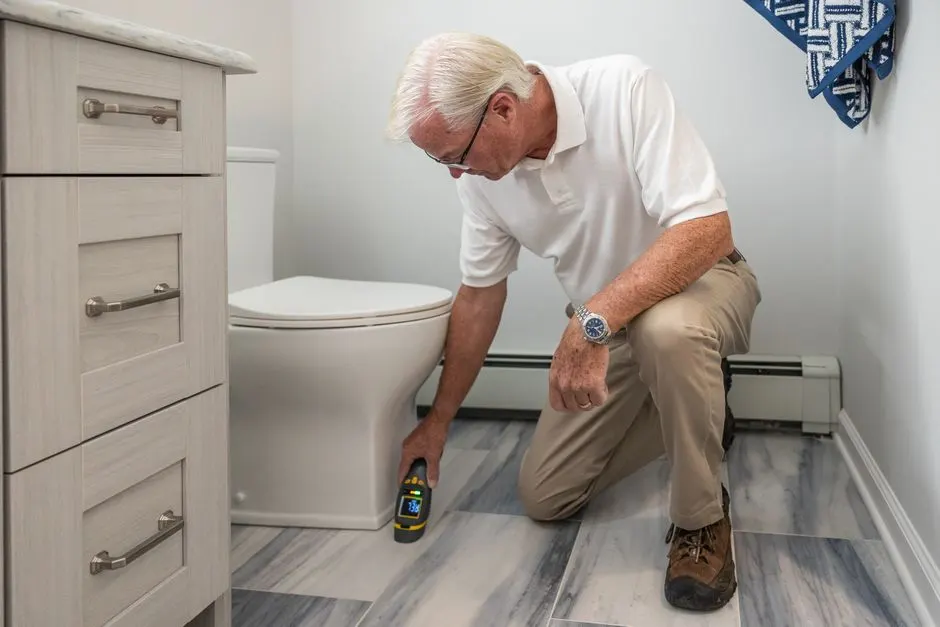
A senior man using a device to inspect a bathroom for maintenance or repair.
Licensed Licensed & Bonded
Fully Insured Insured & Bonded
24/7 Emergency Same-Day Response
Warranty Backed Workmanship Guaranteed in Boca Raton

What Your Moisture Inspection Includes

Your inspection covers a visual review, moisture checks on appropriate materials, targeted thermal screening, and a clear summary of affected areas. We discuss the source history and explain whether extraction, drying, or further access is warranted. Equipment setup, material removal, leak repair, and mold remediation are separate work steps when needed; we tell you which one fits the findings.

Water Event Review

We record when the event began, the suspected source, and any actions already taken. You can point out stains, odor, soft spots, or earlier repairs. This history helps us choose where to inspect first and whether conditions may have changed since the water was stopped.

Surface and Material Checks

We inspect visible finishes and take moisture readings on suitable surfaces, including wall bases, flooring edges, and accessible wood. Readings are compared with nearby reference points so you can understand which materials appear affected. We explain limitations where coatings or concealed construction restrict measurement.

Targeted Thermal Screening

A thermal imaging camera helps identify temperature patterns that deserve closer inspection. We use it to prioritize checks around plumbing runs, ceiling stains, and flooring transitions, then verify concerns with other evidence. The image supports the inspection; it does not replace measurement or direct confirmation.

Findings and Next Steps

We summarize affected locations, explain the likely water path, and recommend a practical next action. That may mean extraction, drying, a follow-up reading, or opening a limited area to confirm a hidden cavity. You leave knowing what was observed and what should happen next.

Moisture Detection and Water Damage Inspection Boca Raton FL


Moisture Detection and Water Damage Inspection Boca Raton FL is a property assessment that identifies moisture in building materials after a leak or flooding event. We trace the affected area, compare readings across wet and unaffected surfaces, and check flooring, drywall, ceilings, and accessible framing. A moisture meter helps measure material conditions, while a thermal imaging camera can show temperature patterns that point to concealed wet areas. We document findings and explain whether extraction, controlled drying, or further investigation is the next practical step.

Boca Raton's humid subtropical climate can slow drying after burst or leaking pipes, appliance leaks, and storm flooding, especially when water reaches wall cavities or subfloor sheathing. Our water damage moisture inspection Boca Raton service gives you a clearer picture before you replace flooring or close a wall. For a same-day hidden leak inspection in Boca Raton, we check the likely source path, surrounding rooms, and materials that can hold moisture after the visible water is gone.
What to Expect During Inspection

Moisture detection in Boca Raton starts with the water event and ends with a practical record of affected materials. We work room by room, explain each check, and keep you informed before any drying or removal work begins. A straightforward residential inspection often takes 1 to 3 hours, depending on access and the number of rooms.

01

Schedule

Call or book online — a real human picks up and confirms a 2-hour arrival window.

02

Diagnose

Licensed tech inspects on-site, then walks you through the cause and your options.

03

Fix

The job is completed to code and done right the first time — no shortcuts, no surprises.

04

Guarantee

Every job backed by a written workmanship warranty — and we stand behind it.

Tools and Inspection Methods

Tools & Equipment

Moisture meter

Measures moisture conditions in suitable materials, including accessible drywall and wood. We compare readings in affected areas with nearby reference points and use the pattern to guide follow-up checks.

Thermal imaging camera

Shows surface temperature differences that can help locate areas for closer inspection. We verify suspicious patterns with material readings because temperature changes alone do not confirm water.

Air mover

Supports directed air movement during drying after the inspection identifies wet materials. We position it to move air across affected surfaces and review readings to see whether conditions are improving.

Refrigerant dehumidifier

Removes moisture from indoor air during structural drying in suitable conditions. Equipment placement follows the affected area, and follow-up readings help determine whether drying needs adjustment.

Portable water extractor

Removes accessible water from carpet and other suitable surfaces after inspection. Extraction reduces the moisture load before drying equipment is set and the materials are checked again.

Dri-Eaz

Dri-Eaz drying equipment can support controlled water restoration work when the inspection calls for air movement or dehumidification. We select equipment based on the materials and conditions found.

Methods & Standards

Comparative moisture mapping

We take readings across the suspected wet area and compare them with nearby unaffected material of the same type when possible. This creates a practical boundary for the inspection and helps track change over time. A map guides drying and follow-up rather than serving as a substitute for judgment.

Water-path tracing

We start at the known or suspected source and follow likely routes through connected rooms, floor transitions, and wall or ceiling areas. The pattern of visible damage and readings helps identify where water may have traveled. We check nearby materials before concluding that the damage stops at the first stain.

Targeted thermal screening

We scan selected surfaces for temperature patterns that differ from surrounding areas, then verify any concern with appropriate measurements. The camera helps prioritize the next check, particularly around ceilings, plumbing routes, and flooring. We do not treat an image alone as proof of moisture.

Drying progress verification

After extraction or drying begins, we repeat readings at the same marked locations and compare them with the initial measurements. A follow-up within 24 to 48 hours can show whether materials are responding. We adjust the drying approach when readings remain elevated or an area changes slowly.

When to Schedule an Inspection

01

A water heater leaks before a holiday, leaving a damp closet wall and wet flooring nearby.

What we do: We trace the likely path from the heater area, check the closet wall and floor edges, and measure adjacent materials. If water reached the subfloor, we map the boundary and explain whether extraction or drying should start before replacement work.

→ You know which surfaces need attention and which can remain in place, helping you plan repairs without relying on the stain alone.

02

A summer storm drives rain under a door in East Boca, but the entryway looks dry the next morning.

What we do: We inspect the threshold, baseboards, and flooring transitions, then check nearby rooms for water migration. Our technician compares readings at the entry with dry reference areas and identifies any follow-up needed beneath the finish.

→ The inspection distinguishes a surface spill from retained moisture, so you can address the actual affected area before it spreads.

03

A condo owner sees a ceiling mark below a neighbor's plumbing repair, with no active drip.

What we do: We inspect the ceiling and adjoining wall, review the timing of the plumbing work, and measure the visible stain and surrounding materials. If readings remain elevated, we explain drying or access options and document the condition for the property manager.

→ You receive a clear record of current moisture conditions and a sensible next step for coordinating access and repairs.

04

A washing-machine hose fails in a Boca Raton laundry room and water reaches the hallway.

What we do: We check the laundry floor, door threshold, and hallway flooring for moisture trapped beneath the surface. If water reached carpet or a wall base, we identify the affected boundary and connect the inspection to extraction and drying needs.

→ You can prioritize the wet materials and avoid leaving hidden water beneath flooring after the visible spill is cleaned.

How Inspection Works Across Boca Raton

Boca Raton properties face humid air, heavy seasonal rain, and storm-related water entry, so a surface that feels dry does not always tell the full story. We inspect homes, condos, and commercial spaces across Palm Beach County, adapting the checks to tile, hardwood, carpet, and mixed construction. In older homes, plumbing leaks may travel along framing; in multi-unit buildings, water can cross ceilings or shared wall lines. Our Boca Raton moisture detection service uses readings and targeted scans to map those paths. If you need a residential water damage inspection company Boca Raton FL, we check the source area and adjoining materials, then explain whether drying, extraction, or further access makes sense. We serve properties in ZIP codes 33432 and 33433 as well as 33486 and 33487. After storm or hurricane flooding, we also consider water category and the time materials remained wet. Florida contractor licensing requirements apply where relevant to regulated repair work; our inspection focuses on documenting conditions and guiding the next step.

Neighborhoods We Serve

  • East Boca Raton

    Storm-driven rain and coastal humidity can leave dampness around exterior thresholds, windows, and flooring edges. We check adjoining rooms rather than stopping at the entry point.

  • Boca Pointe

    A leak in a multi-level home can affect ceilings and walls below the source. We inspect the likely vertical path and nearby finishes for elevated readings.

  • Old Floresta

    Older plumbing routes and varied finish materials call for a careful source-to-damage review. We compare similar materials and identify where access is limited.

  • University Park

    Appliance or plumbing leaks can travel under flooring into adjacent rooms. We check transitions and wall bases to map the boundary before drying decisions.

Local Conditions We Plan For

  • High humidity slows the drying of porous building materials

    Indoor humidity can remain elevated after water is removed, especially in closed rooms with limited airflow. We consider room conditions alongside material readings and recheck the affected area instead of judging progress by touch alone.

  • Seasonal storms can push water past doors and windows

    Wind-driven rain may affect several finishes in a short time, including flooring, drywall, and insulation. We inspect the entry point and connected areas so moisture that traveled beyond the visible wet line is not missed.

  • Multi-level homes can hide leaks between floors

    Water from a bathroom or appliance above can move along framing before staining appears below. We check the ceiling, nearby walls, and accessible edges, then explain when direct access is needed to confirm the cavity.

Kitchen Supply-Line Leak

Before

A slow leak under a kitchen sink left the cabinet base swollen and the adjacent floor slightly raised. The homeowner had wiped the water away but still noticed a faint odor. No ceiling stain or visible puddle remained, so the extent beneath the cabinet and flooring was unclear.

After

We checked the cabinet base, nearby wall, and flooring transitions, then mapped the elevated readings across a roughly 6-by-8-foot area. The findings showed the affected boundary and supported targeted extraction and drying. Follow-up readings at 24 hours gave the homeowner a measurable way to track progress.

Maintenance: After the plumbing repair, keep the cabinet base accessible and check for renewed dampness over the next week. We recommend a follow-up measurement if the odor returns, the floor changes, or readings remain elevated.

Before

After a heavy Boca Raton rainstorm, water entered beneath a sliding door and reached the living-room rug. The rug was moved and the floor was wiped, but the baseboard remained cool and a closet near the doorway smelled musty. The homeowner could not tell whether water had moved farther.

After

We inspected the threshold, baseboard, closet edge, and adjacent flooring. Readings identified moisture along a 10-foot section of wall, while the next room tested close to its dry reference. The homeowner had a focused drying plan and documentation of the areas that needed attention.

Maintenance: Keep the threshold clear and inspect the door track after major rain. If water returns, dry the surface promptly and call for another check before replacing baseboards or sealing the wall.

Before

A dishwasher overflow was stopped quickly, but a faint mark appeared on the ceiling below the kitchen the following day. The downstairs room looked otherwise normal. The property owner wanted to know whether the ceiling cavity or nearby wall had retained water before arranging paint repairs.

After

We inspected the ceiling mark and adjacent wall with a moisture meter and targeted thermal screening. The elevated area measured about 3 feet across, with lower readings toward the room perimeter. We documented the condition and recommended drying checks before cosmetic repair.

Maintenance: Confirm the appliance leak is repaired and inspect the ceiling for changes during the next several days. If the stain grows, the surface softens, or odor develops, arrange a follow-up inspection before repainting.

Solve Hidden Moisture Problems Early

If you are asking how do professionals find hidden moisture after water damage, the answer is systematic checking: follow the water path, measure materials, and confirm suspicious areas. Our Boca Raton inspections address common signs that remain after a leak appears to be fixed. Finding retained moisture early helps reduce damage to finishes and framing.

Problem

A ceiling stain remains after an upstairs plumbing leak stops

Water can remain in the ceiling cavity or insulation after the surface dries, leaving framing damp and causing the stain to return.

Our Fix

We check the stain, surrounding ceiling, and nearby wall for moisture patterns, then compare readings with unaffected surfaces. If the readings indicate retained water, we explain whether controlled drying or a small access point is needed. You get a defined area to address rather than repainting over an unresolved source.

Problem

Hardwood boards cup after a small appliance leak

Moisture beneath the finish can continue affecting boards and subfloor sheathing even after the visible spill has been cleaned up.

Our Fix

We inspect the board edges and nearby transitions, measure accessible wood, and map where readings change. If water remains beneath the flooring, we discuss extraction or drying suited to the material. Repeat checks help show whether the floor is stabilizing before refinishing decisions are made.

Problem

A musty odor persists after storm water is removed

Odor can point to wet porous material or a concealed area that was missed during surface cleanup, especially around wall bases and closets.

Our Fix

Our technicians inspect the likely entry route and adjacent rooms, including accessible trim and floor edges. We use readings to locate damp materials and identify whether removal or further drying is appropriate. If conditions suggest microbial growth, we explain the need for a separate remediation assessment.

Problem

A bathroom leak leaves no visible damage downstairs

Water may travel through a ceiling cavity or along framing before a stain appears, delaying repairs while materials remain wet.

Our Fix

We inspect below the bathroom and around nearby plumbing routes, then compare ceiling and wall readings with dry reference points. Where access is limited, we tell you what evidence supports further investigation. This helps you act before a soft ceiling or visible staining develops.

Clear Findings, Better Decisions

Clear Findings, Better Decisions

A careful inspection helps you avoid guesswork. We identify the affected materials, show you where readings are elevated, and connect the results to practical drying or repair steps. You get an understandable record of what we found, not just a warning that something feels damp.

  • Locate Concealed Moisture

    Water can travel beyond a stain or puddle, then remain under flooring or inside a wall. We compare readings in the suspected area with dry reference points and use targeted scans to map the boundary. That helps you avoid opening more drywall or flooring than the evidence supports.

  • Limit Unnecessary Removal

    A measured inspection can separate wet materials from nearby unaffected surfaces. If a small area of water-damaged carpet and pad is the only saturated section, we identify its limits before removal or drying begins. You get a more focused plan instead of treating the whole room as equally damaged.

  • Document the Damage

    We record the source history, visible conditions, material readings, and affected rooms so you can follow the work. Clear documentation helps you discuss the loss with your property manager or insurer. It also provides a useful baseline for checking whether drying is progressing over the next 24 to 72 hours.

  • Choose the Right Next Step

    Our findings show whether the situation calls for extraction, air movement, dehumidification, or a closer look behind a finish. We explain what matters in plain language and outline the sequence. That keeps your decision tied to actual moisture conditions rather than odor, discoloration, or assumptions alone.

Training and Work Standards

Licensed & Certified

  • Water Damage Restoration Technician (WRT) — issued by Institute of Inspection, Cleaning and Restoration Certification
  • Applied Structural Drying (ASD) — issued by Institute of Inspection, Cleaning and Restoration Certification
  • Applied Microbial Remediation Technician (AMRT) — issued by Institute of Inspection, Cleaning and Restoration Certification
  • OSHA workplace safety training — issued by Occupational Safety and Health Administration

Verified Reviews

Customer feedback Not displayed

A homeowner in Boca Raton called after a plumbing leak left a damp wall and a floor that felt soft near the baseboard. The technician measured the wall and flooring, explained the likely boundary, and outlined drying steps. The homeowner appreciated having specific readings before deciding what to remove.

Customer feedback Not displayed

A property manager in East Boca needed to understand a ceiling stain after an upstairs appliance leak. The inspection documented the affected ceiling and nearby wall, then explained which measurements needed a follow-up. The clear room-by-room notes helped the manager coordinate access and keep the repair focused.

Customer feedback Not displayed

After stormwater entered near a patio door, a Boca Pointe resident still noticed an odor once the floor was wiped. The team checked the threshold and surrounding flooring, found a limited damp area, and explained how to monitor it during drying. The resident valued the practical explanation and measured follow-up.

Field Experience and Training

Our local experience covers the water events Boca Raton properties face, from a supply-line leak under a sink to storm water entering at a low threshold. We use moisture readings alongside visible evidence rather than treating a thermal image as a diagnosis. Our technicians apply IICRC Water Damage Restoration Technician (WRT) principles for water damage assessment and drying decisions, with safe work practices suited to the site. We explain the limits of non-invasive testing and identify when a finish must be opened to confirm conditions. You get a practical assessment, not a guess presented as certainty.

  • IICRC Water Damage Restoration Technician (WRT) training supports consistent assessment and restoration procedures.
  • Moisture readings are compared against dry reference areas to distinguish affected materials from normal variation.
  • We check water paths across rooms, levels, flooring transitions, wall bases, and accessible ceiling cavities.
  • Our technicians use thermal imaging as a screening method and confirm concerns with appropriate follow-up checks.
  • OSHA workplace safety training informs setup around electrical hazards, contaminated water, and occupied properties.
Get Started Today
Field Experience and Training

Frequently Asked Questions

Real answers to the questions we hear most often from local homeowners and property managers.

How do professionals detect hidden water damage?
Professionals locate hidden water damage by combining visual inspection, moisture readings, and targeted thermal scans. We start at the leak or visible stain, then check nearby walls, floors, ceilings, and adjoining rooms for elevated readings. A thermal imaging camera can flag temperature differences, but we verify concerns with a moisture meter or direct access when needed. For moisture detection and water damage inspection near me Boca Raton FL, call us to assess the affected materials and explain the next step.
What tools are used for a moisture inspection?
A moisture inspection commonly uses a calibrated moisture meter, a thermal imaging camera, and basic inspection tools for accessible edges and surfaces. The meter measures moisture conditions in suitable materials; the camera helps identify areas for closer checking. We may also use a hygrometer to record room conditions and compare readings over time. No single tool proves the full extent of damage, so we combine instrument results with the water history and visible evidence.
Can a moisture inspection find water inside walls?
Yes, an inspection can often identify signs of moisture inside a wall, although confirming the exact cavity condition may require a small access opening. We scan the wall, compare readings around the suspected leak, and check the opposite side or baseboard where practical. A thermal pattern alone is not conclusive. If readings remain elevated or the wall feels soft, we explain the least disruptive way to confirm the condition and start appropriate drying.
When should I schedule a water damage inspection in Boca Raton?
Schedule an inspection as soon as practical after a leak, overflow, sewage backup, or storm flooding; within 24 hours is a useful target when materials remain wet. Call sooner if water is near electrical equipment, a ceiling is sagging, or the source is still active. After cleanup, book a follow-up if odors, floor changes, or damp spots persist. Early measurements help identify wet materials before secondary mold growth becomes a concern.

Related Water Damage Services

24/7 Emergency Water Extraction

When inspection finds active water or saturated materials, prompt extraction removes bulk water before it spreads farther. We assess the affected area, remove standing water, and then check moisture conditions to guide drying. Call for help if a leak or flood is affecting your Boca Raton property now.

View 24/7 Emergency Water Extraction

Residential Water Extraction

A home inspection may reveal water in carpet, cabinets, or flooring that needs immediate removal. Our residential extraction service addresses the affected rooms, then moisture readings help show where drying equipment should be placed. This links the inspection findings to practical work in your living space.

View Residential Water Extraction

Commercial Water Extraction

For offices, shops, and other commercial spaces, inspection identifies which rooms and materials are affected so operations can be prioritized. We coordinate extraction around the documented water path and check adjoining areas for migration. Clear readings help property managers decide which areas need attention first.

View Commercial Water Extraction

Standing Water Removal

Pooled water can conceal damage at floor edges and beneath movable contents. We remove standing water with suitable extraction equipment, then inspect surrounding materials for retained moisture. Once the visible water is gone, readings help determine whether drying is complete or additional work is needed.

View Standing Water Removal

Basement and Crawl Space Water Removal

Water in a crawl space or lower-level area can affect framing and subfloor materials without obvious signs upstairs. We inspect accessible surfaces, remove water, and identify damp areas that need drying or follow-up. A moisture map gives you a clearer record of the affected space.

View Basement and Crawl Space Water Removal

Flood Water Extraction

Floodwater can spread across multiple rooms and introduce contamination concerns. We assess the water category and affected materials before selecting extraction and cleanup steps. Moisture checks after removal help locate residual dampness at wall bases, flooring transitions, and other areas the flood reached.

View Flood Water Extraction

Book Moisture Detection in Boca Raton

A damp wall, swollen floor, or unexplained odor deserves a measured check before repairs begin. Our IICRC-trained technicians inspect the affected materials and explain the next step. Call Boca Raton Emergency Water Extraction at +15618540267 to arrange your inspection.

Call Today Schedule Inspection

Contact Our Team

Call +1 561-854-0267 for emergency water extraction in Boca Raton, Florida. Our phone line is open 24/7 for urgent leaks, backups, and storm water, and we will ask what happened, where the water is, and whether it is still flowing. Share your neighborhood and any safety concerns so we can guide the next step.

Or call us right now at +15618540267 — we answer.

Boca Raton Emergency Water Extraction


  • Phone

    +15618540267
  • Address

    Boca Raton, Florida

  • Hours

    Mon–Fri: 7AM – 7PM
    Sat: 8AM – 4PM
    Sun: Emergency Only
    24/7 Emergency Available

Call +15618540267 Get Quote
Call Quote