01
A broken washing-machine hose leaves standing water across a Boca Raton laundry room and adjoining carpet.
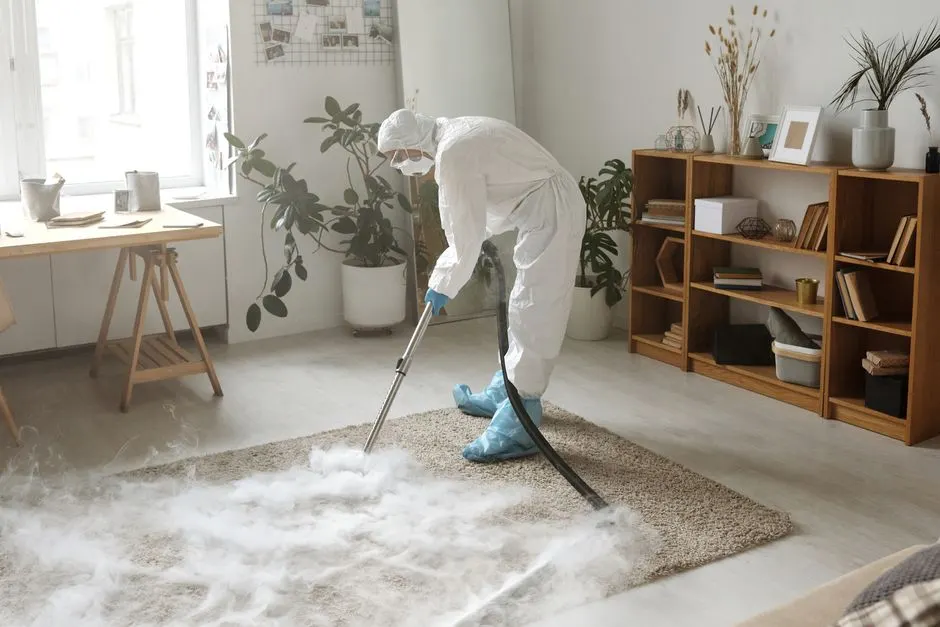
What we do: We remove pooled water first, then extract the carpet edge and inspect the transition from tile. If water reached the pad, we lift the affected section as needed and set airflow to reach the damp layer. We also check nearby baseboards for migration.
→ The water load is reduced, the affected area is clearly identified, and you know whether the carpet and pad can be dried or need removal.
02
An overnight air-conditioning leak leaves a bedroom carpet damp near the closet and wall.
What we do: We trace the visible wet area, check the carpet, pad, and lower wall, and extract water from the saturated section. Moisture readings guide equipment placement; we also recommend correcting the condensate source so the floor does not become wet again.
→ The hidden wet edge is addressed alongside the visible carpet, and drying progress is measured rather than judged by touch.
03
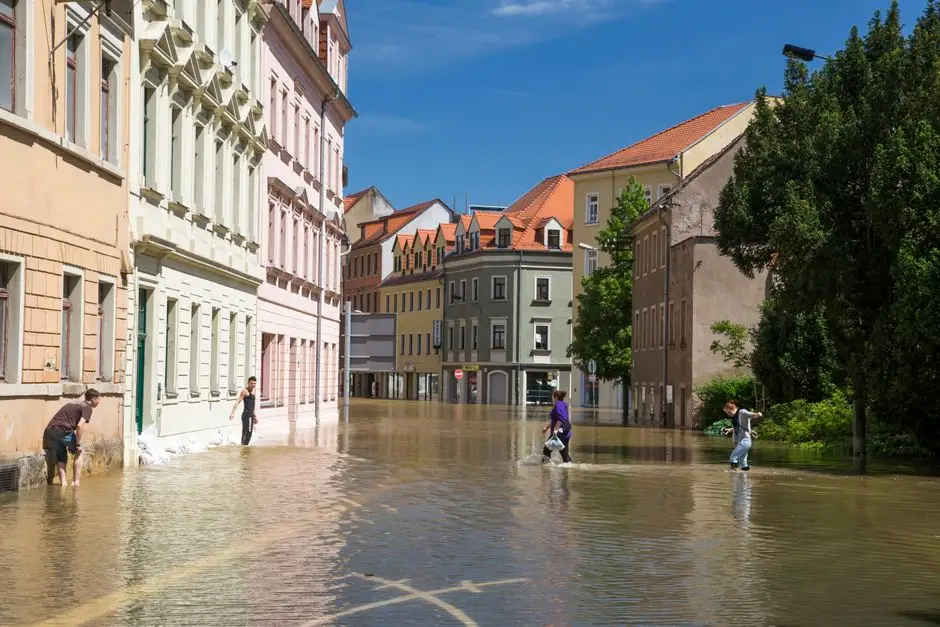
Heavy rain drives water through a patio doorway into a ground-floor room near the coast.
What we do: We classify the water, remove standing water, and inspect carpet backing and nearby flooring. If runoff has carried debris, we use more cautious handling and separate affected belongings. The drying plan accounts for the humid Florida air and damp wall edges.
→ Water is extracted from the carpeted area, nearby materials are checked, and you have a documented plan for the remaining drying work.
04
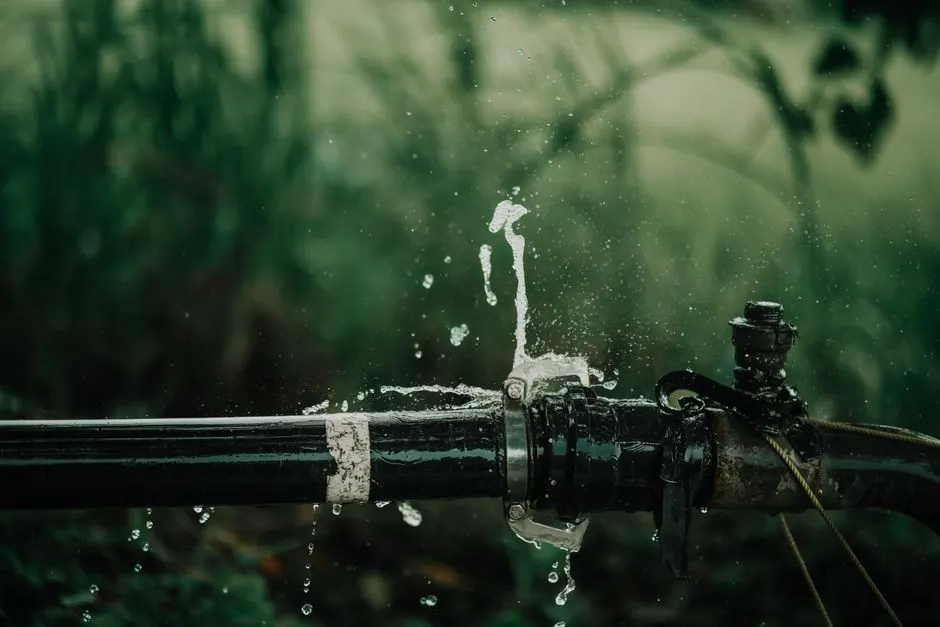
A commercial suite in Boca Raton finds soaked carpet after a restroom supply leak before staff arrive.
What we do: We identify the water path and prioritize the wet corridor and adjacent offices. Portable extraction equipment can serve confined areas while keeping access routes open. We document affected sections and place drying equipment where it will not block essential movement.
→ The business gets a defined cleanup area, reduced standing water, and a practical drying setup that supports continued use of unaffected rooms.